Everyday Stress Management
“Stress” is defined as the body’s reaction to any change that requires an adjustment or response.
Great, but what does this really mean? Let’s break down what exactly happens when you experience stress:
Step 1: The brain perceives stress
Step 2: Hormones are released
Step 3: Heart rate increases, blood pressure increases, other physiologic changes occur
Basically, stress happens and we enter “Fight or Flight” mode in order to deal with whatever stressors we need to deal with. Awesome, our bodies are keeping us safe! Once the threat is gone, our bodies return to their normal resting state. Except, often, they don’t and we exist in a chronic state of fight or flight.
Common Causes of Stress
Common External Causes

Major life changes
Work or school
Relationship difficulties
Financial problems
Being too busy
Children and family
Common Internal Causes
Pessimism
Inability to accept uncertainty
Rigid thinking
Lack of flexibility
Negative self-talk
Unrealistic expectations/perfectionism
All-or-nothing attitude
Negative Effects of Stress
You’re probably thinking, “constant fight or flight mode can’t be good for us, right?” Right! It’s pretty suboptimal if we’re putting it mildly. Chronic stress can have lots of negative effects both physically and emotionally. I’ll list some here but keep in mind that these lists are in no way exhaustive and stress can manifest itself in many different ways.
Physical Symptoms:
Headaches
Muscle tension/pain
Stomach upset
Fatigue
Chest pain
Overeating/undereating
Long-term, chronic stress can also lead to:
Digestive troubles
Skin conditions
Heart disease
Insomnia
Chronic pain
Emotional/Mental/Psychological Symptoms:
Anxiety
Restlessness
Lack of motivation/focus
Irritability
Anger
Depression
Sadness
Angry outbursts
Substance abuse
Social withdrawal
What is Stress Management?
Well…that sucks. Everything is stressful all the time! How are any of us supposed to manage? Run off into the woods and live off the grid?
If that sounds less stressful to you, far be it for me to stomp on your dreams, but you definitely don’t have to flee society to manage this problem. There are plenty of ways we can manage our stress.
Stress management tactics are a variety of tools that essentially reset your body’s alarm system. Practicing stress management can help your mind and body adapt and increase your overall resiliency. Without it, you may stay in that upsetting state of high alert. Given all the negative effects listed above, you probably don’t want that, and I don’t want that for you.
Some tools you can use for stress management are:
Time Management
Therapy
Music
Spa/Self Care
Exercise
Hobbies
Nature
Yoga
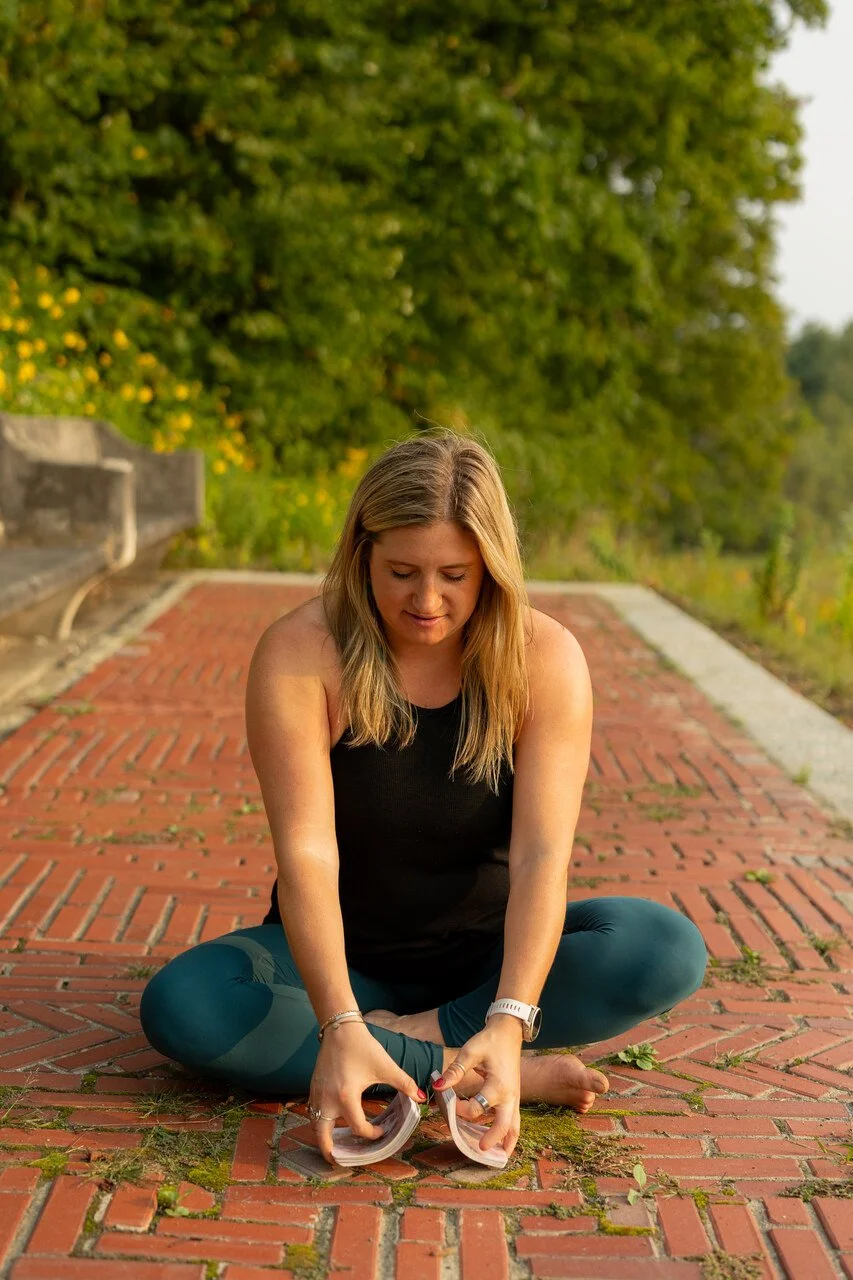
These tools aren’t magic pills. One yoga session isn’t going to magically fix every stressful thing in your life. They are a practice. You need to figure out what tools you can implement habitually into your life to help lower your stress levels.
Getting regular exercise, trying relaxing activities, trying new things (if that’s not stressful to you), staying connected to your support system, setting goals and priorities, and simply asking for help when you need it are all small ways that you can make stress management a lifestyle modification instead of a chore.
Positive Effects of Mindfulness
In your efforts to implement stress reducing practices you’ll probably see many people touting “mindfulness” as a skill to cultivate. But what does that actually mean? It sounds like some new-agey, esoteric term that is all encompassing but ill-defined. When we discuss mindfulness here we’re talking about the skill to live less out of habit and more out of intent. Mindfulness is the ability to stay focused on the present moment in a non-judgemental way and a powerful catalyst to cultivate contentment.
Widespread Benefits of Becoming More Mindful:
Improves mood: may reduce depression and anxiety.
Reduces stress and its consequences: can lead to less intense stress responses.
Improves coping with pain- People with chronic pain who practice mindfulness meditation report less severe pain and pain-related distress.
Improves brain functions – improves attention, focus and memory
For chronically stressed out people even these tools to manage stress can seem overwhelming. The idea of learning this brand new practice while you’re already stressed about everything else seems like an insurmountable task. Oftentimes breaking this large task into smaller pieces is the key to taking the tension out of the task. Chip away at learning this scary new thing one little piece at a time.
Make a mental space for yourself. A space where you can decide to respond or react. A space where you can tune in to your body and breathe. That small thing you just did, that simple creation of a mental space? That’s mindfulness. You did it! Now you can add to it.
Practicing mindfulness isn’t about reaching this Zen, meditative state perfectly every time. It’s about doing your best. Here are a few baby steps to add once you’ve cultivated your mental space:
When you encounter a stressor (an annoying boss, an unexpected expense, etc) see if you can access that mental space between stimulus and response.
Try to be aware of your mind, body, and the space around you.
Cultivate awareness of your choices. YOU get to choose how you react to the stressful input you’re getting. Take some of your power back from the situation.
Try to be in tune with your body and your mind; your physical responses and your emotional responses.
It’s not about being perfect. It’s about being present. Right here. Right now.
If you’re the kind of person who prefers more concrete things to try you can take this approach as well:
Breathe. That’s it. If you’re stressed, take a deep breath. Don’t worry about quieting your mind or actively practicing mindfulness, just take a breath, hold it, and then let it out. Great job, now do it again until you feel less like you’re going insane.
Notice. See if you can notice ONE sensation in your body. Nausea? Ok. Sweaty palms? That’s fine. Focus on that one thing and keep practicing step number one.
Write it Out. Sometimes putting things on paper takes the wind out of their sails. Take a minute and literally write out what is stressing you. You may find that they aren’t actually so overwhelming when you see them all in one place instead of just swirling around your brain. It will also force you to reckon with what is ACTUALLY bothering you. The action of writing things out can stop the anxiety spiral in its tracks. Think of it as a checklist of stressors that you can cross off one by one.

Stay Mindful Without the Stress
If the idea of incorporating ONE MORE THING into your routine makes you want to tear your hair out, well, you’re probably stressed, but also, that’s understandable. Mindfulness practices aren’t going to help reduce your stress if they themselves are stress inducing for you. Like we said before, you can take baby steps here. You don’t have to become a meditation expert overnight. You don’t need to set aside hours each day for your practice. You can bring mindfulness practices into the things you already have to do to live your life.
Mindfulness can be anything you want it to be. Taking time to enjoy tea. Breathing in the fresh air. Don't make it a big to do-- pause in your daily life to take it all in. The mindfulness “rules” are pretty lax. A little bit goes a long way. Start with a 5 minute ritual. You don't win because you practiced mindfuless for hours on hours. The only prize you’re getting is your peace of mind. Do it FOR YOU.
Your mindfulness practice has to be something you like. Otherwise it feels like a chore. Does meditation make your brain burst? Being outdoors give you the creepy crawlies? To really make a new habit stick, you have to enjoy it (somewhat at least, I don’t think anyone loves flossing and it’s a habit we all just have to accept).
Your practice could be listening to music in your car or sitting on the couch with a book. It could be slowing down the pace at which you eat your meals so you can really enjoy them. You could make the argument that any practice you do for you, any kind of self care, is mindfulness. And if you don’t feel like your self care routine is particularly mindful, that’s a great place to start.
Find what works for you. There is no ONE right way. I promise. Think about this: what brings you joy and what makes you feel good?
At the end of the day, we are all different and finding things that fuel YOU is much more important than following EXACTLY what the research says. Finding joy fights stress. So many times we add MORE stress to our plate by doing things we think we"should" do. IE: running when we hate it, cutting out all our favorite foods, doing extroverted activities as an introvert and vice versa. If a stress management technique causes you MORE stress, then DO NOT DO IT. You don’t have to play the suffering Olympics. Do something you like.
What if, like millions of other Americans, you don’t have a lot of free time? What can you do during, say, your breaks at work, or the time before you pick up the kids from school?
Here are some simple (and often quick) mindfulness breaks:
Go for a walk
Dance it out
Say hi to a coworker/neighbor/family member
Listen to a song that you REALLY enjoy
Meditate
Breathwork
Walk barefoot in the grass
Drink a cup of Tea
Stretch
Eat a delicious snack
An Example of a Mindful Day
Listen, I know that this might still sound overwhelming. I get it. Sometimes we just want a step-by-step guide on what to do and how to do it. So let’s look at an example of what a “mindful” day would look like.
Start With Breakfast
.Smell your food as you cook it or heat it up (or even buy it!)
Take it in-- Can you notice the different scents?
Chew thoroughly: enjoy each bite
On The Commute
Whether you walk/bike/drive/bus or just go downstairs can you notice where you are. Can you take in all the sights, sounds and smells?
During Your Workday
Take mindful breaks
Give your full undivided attention to the person in front of you
Do one task at a time
When You Get Home
Leave work at work: change clothes, take 5 deep breaths, sign off, a signal that you are done!
Go To Bed With A Nightly Ritual
Sometimes the most important thing you can do to manage your stress is to simply do less. Slow down. Breathe deep. Enjoy the here and now. You’ve got this.
xoxox
Kerry